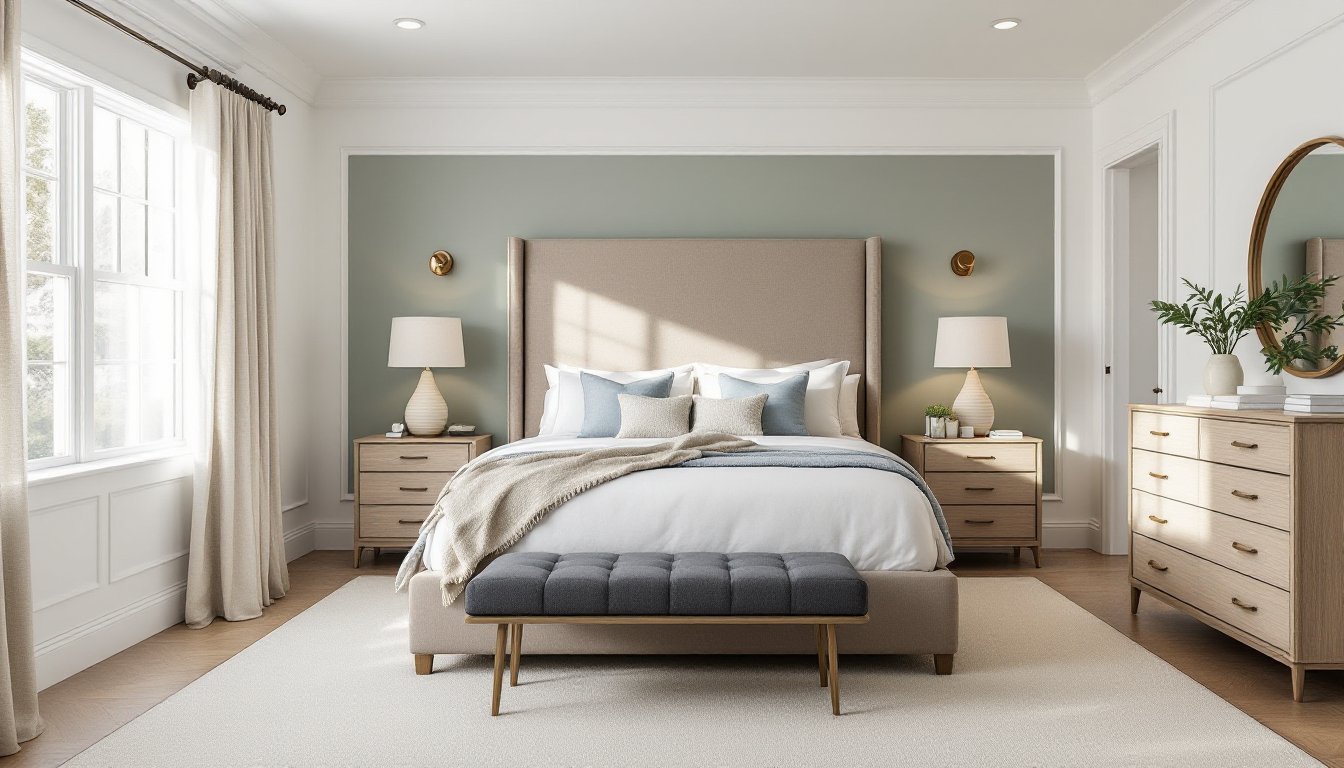
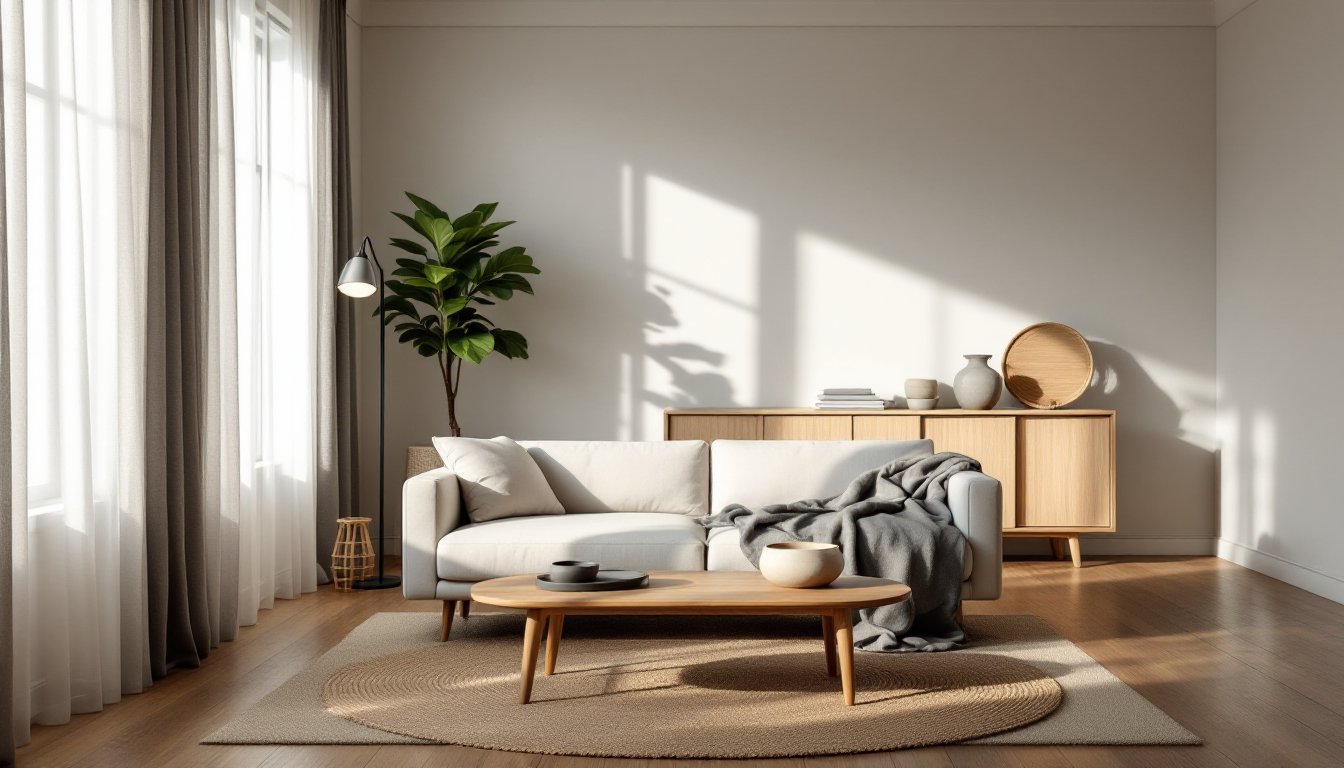
Japandi design blends the best of Japanese minimalism and Scandinavian coziness into a living room style that feels both grounded and breathable. It’s not about following a Pinterest board to the letter, it’s about creating a space that strips away the unnecessary while keeping comfort front and center. This fusion works especially well in living rooms, where you need balance between functionality and calm. If you’ve been drawn to clean lines, natural wood, and neutral palettes but want warmth instead of sterility, Japandi hits that sweet spot without much fuss.
Table of Contents
ToggleKey Takeaways
- Japandi interior design for living rooms combines Japanese minimalism and Scandinavian coziness, creating a space that feels uncluttered yet warm and inviting.
- A successful Japandi color palette uses warm neutrals like soft whites, grays, and earth tones, with accent colors sourced from natural materials rather than paint.
- Japandi furniture should sit low with clean lines, feature natural wood, and avoid overstuffing—a platform sofa, simple coffee table, and functional storage are foundational pieces.
- Float furniture a few feet from walls and use a single area rug to anchor seating and create natural zones, prioritizing open flow and negative space in your living room layout.
- Layer natural materials like wood, linen, wool, and ceramics with varied textures, then combine soft ambient lighting with task lighting using warm-toned bulbs (2,700–3,000 Kelvin) to enhance the Japandi atmosphere.
- Japandi interior design ages well because it emphasizes handcrafted details and quality materials, making it a timeless choice that won’t require frequent updates.
What Is Japandi Interior Design and Why It Works for Living Rooms
Japandi is a portmanteau of Japanese and Scandinavian design philosophies. Japanese aesthetics emphasize wabi-sabi (finding beauty in imperfection) and ma (negative space), while Scandinavian design leans into hygge (coziness) and functional simplicity. When combined, you get a living room that’s uncluttered but never cold, minimal but inviting.
This style works particularly well in living rooms because it prioritizes both visual calm and livability. Unlike pure minimalism, which can feel sparse, Japandi allows for texture, warmth, and personal touches, just edited down. You won’t see decorative clutter or loud patterns, but you will see handcrafted ceramics, a low-profile sofa in linen, or a single statement plant.
The palette stays muted: think warm whites, soft grays, beiges, and earth tones. Accent colors are rare and restrained, usually pulled from natural materials like charcoal, rust, or muted green. This creates harmony in design principles that feels intentional without being rigid.
Japandi also sidesteps trends. Because it’s rooted in craftsmanship and natural materials, it ages well. A solid oak coffee table or handwoven jute rug won’t look dated in five years. That makes it a smart choice for DIYers who don’t want to repaint or replace furniture every few seasons.
Key Elements of Japandi Living Room Design
Choosing the Right Color Palette for Your Japandi Living Room
Start with a neutral base: warm whites like Benjamin Moore’s Swiss Coffee or Sherwin-Williams’ Alabaster work well for walls. Avoid stark whites, they read too clinical. If you’re painting trim, consider a soft gray or greige to add depth without contrast.
For flooring, light or medium-toned wood is ideal. White oak or ash in a matte or natural oil finish keeps the space bright and grounded. If you’re refinishing existing hardwood, skip high-gloss polyurethane, opt for a satin or matte water-based finish instead. Engineered hardwood in 5-inch or wider planks also works and tends to be more stable in varying humidity.
Accent colors should come from materials, not paint. A charcoal linen throw, a terracotta planter, or a black steel light fixture introduces contrast without disrupting the calm. Many design enthusiasts explore varied palettes across styles, but Japandi keeps color restrained and organic.
If you want to add subtle warmth, consider a limewash or clay-based paint on a single accent wall. Brands like Bauwerk or Portola Paints offer breathable, matte finishes that age beautifully and add texture without pattern.
Selecting Furniture That Balances Scandinavian and Japanese Aesthetics
Japandi furniture sits low and lean. Look for platform sofas with exposed wooden legs, ideally in oak, walnut, or teak. Avoid overstuffed cushions, go for firm seat foam (around 35–40 density rating) wrapped in linen, cotton canvas, or wool blends.
Coffee tables should be simple: a solid wood slab on tapered legs, or a low Japanese-style chabudai table if you’re working with floor seating. Avoid glass tops and ornate bases. If you’re building your own, a 1.5-inch thick hardwood top on hairpin or angled legs is straightforward and looks right.
Storage pieces should be functional and unobtrusive. A low credenza in light wood with sliding doors or simple pulls keeps clutter hidden. Open shelving works, but only if you’re disciplined about what goes on it, think a few books, a ceramic bowl, maybe a small sculpture. Experts at Homedit often highlight the importance of edited, purposeful furniture in cohesive room design.
Chairs can mix materials: a bentwood Scandinavian-style chair pairs well with a Japanese-inspired low stool in walnut. Just keep finishes consistent, don’t mix glossy and matte wood tones in the same sightline.
How to Create Harmony Through Japandi Layout and Space Planning
Japandi layouts prioritize open flow and negative space. Don’t push all furniture against the walls. Instead, float your sofa a few feet out to create a conversational zone, and leave breathing room between pieces.
Start by defining zones without walls. A low-profile area rug (8’x10′ or 9’x12′ for most living rooms) anchors seating. Make sure the front legs of your sofa and chairs sit on the rug, this ties the grouping together visually.
Avoid over-furnishing. If your living room is under 200 square feet, a sofa, one or two accent chairs, and a coffee table are enough. Larger rooms can handle a credenza or bookshelf, but resist the urge to fill every corner.
Consider asymmetrical balance instead of matching pairs. A single floor lamp on one side of the sofa, balanced by a small side table and plant on the other, feels more organic than two identical end tables. Resources like Homify showcase international examples of balanced, asymmetrical layouts that feel natural.
If you’re working with an open-plan space, use furniture placement to suggest boundaries. A low console table behind the sofa can separate the living area from a dining zone without blocking sightlines. Just keep the console height at or below the sofa back, around 30 to 36 inches.
Incorporating Natural Materials and Textures in Your Living Room
Japandi relies on tactile variety within a restrained material palette. Wood is the backbone: use it for flooring, furniture, and architectural details like window trim or ceiling beams if you have them.
Layer in textiles with different weaves. A chunky wool throw on a linen sofa adds warmth. A jute or sisal rug grounds the space with rougher texture underfoot. Avoid synthetics, stick to cotton, linen, wool, or blends.
Incorporate stone or ceramic accents for contrast. A simple ceramic vase, a stone side table, or even a polished concrete planter introduces cool, hard surfaces that offset the softness of textiles. If you’re DIYing a concrete piece, mix a standard 5,000 PSI concrete mix and finish with a sealer to prevent staining.
Bamboo or rattan furniture works well in small doses, think a pendant light shade or a low stool. Just avoid the overly tropical look: keep rattan pieces in natural, unstained finishes.
Plants are non-negotiable. Go for architectural varieties like a fiddle-leaf fig, snake plant, or a small Japanese maple (if you have the light). Use simple ceramic or terracotta pots, no loud glazes or patterns. For more global takes on blending natural materials, some designers reference traditional approaches that value handcrafted detail.
If you’re adding wood paneling or shiplap for texture, install it vertically or in a board-and-batten style rather than horizontal. Use 1×6 or 1×8 nominal pine or poplar (actual dimensions 3/4″ x 5.5″ or 7.25″), spaced with 1×2 battens. Paint in the same neutral as your walls for subtle depth.
Lighting Strategies to Enhance the Japandi Atmosphere
Japandi lighting is soft, layered, and never harsh. Avoid overhead can lights blasting at full brightness, they flatten the room and kill ambiance.
Start with ambient lighting: a simple pendant or flush-mount ceiling fixture in a natural material. Paper lanterns (like traditional washi paper shades), woven rattan, or wood slat fixtures diffuse light gently. Aim for 2,700–3,000 Kelvin bulbs (warm white) to keep the space cozy.
Add task lighting where needed: a slim floor lamp next to a reading chair, or a table lamp on a credenza. Stick to simple shapes, cylindrical, conical, or angular bases in black metal, wood, or ceramic. Avoid fussy shades or decorative detailing.
Accent lighting can highlight texture: a small uplighting fixture behind a plant, or LED strip lights under floating shelves (installed with adhesive-backed tape and a simple plug-in dimmer). Keep color temperature consistent across all fixtures to avoid a patchwork look. The principles behind balanced lighting apply across styles, though Japandi skews toward subtlety.
Dimmers are essential. Install a single-pole dimmer switch (check compatibility with LED bulbs) on overhead fixtures. This lets you adjust mood throughout the day without switching lamps on and off.
Natural light is equally important. Keep window treatments minimal: linen or cotton curtains in white or beige, hung on simple rods (3/4-inch diameter in matte black or wood finish). Avoid heavy drapes or valances. If privacy is a concern, consider shoji-style sliding panels or roller shades in natural fabrics. According to design resources at MyDomaine, layering light sources creates depth and warmth that single overhead fixtures can’t match.
For a DIY touch, consider building a simple wood-frame pendant using basswood strips and a basic socket kit from a hardware store. Sand smooth, finish with natural oil, and wire with a fabric-covered cord. Just make sure any DIY electrical work complies with NEC standards, if you’re not comfortable with wiring, hire a licensed electrician for the hookup.