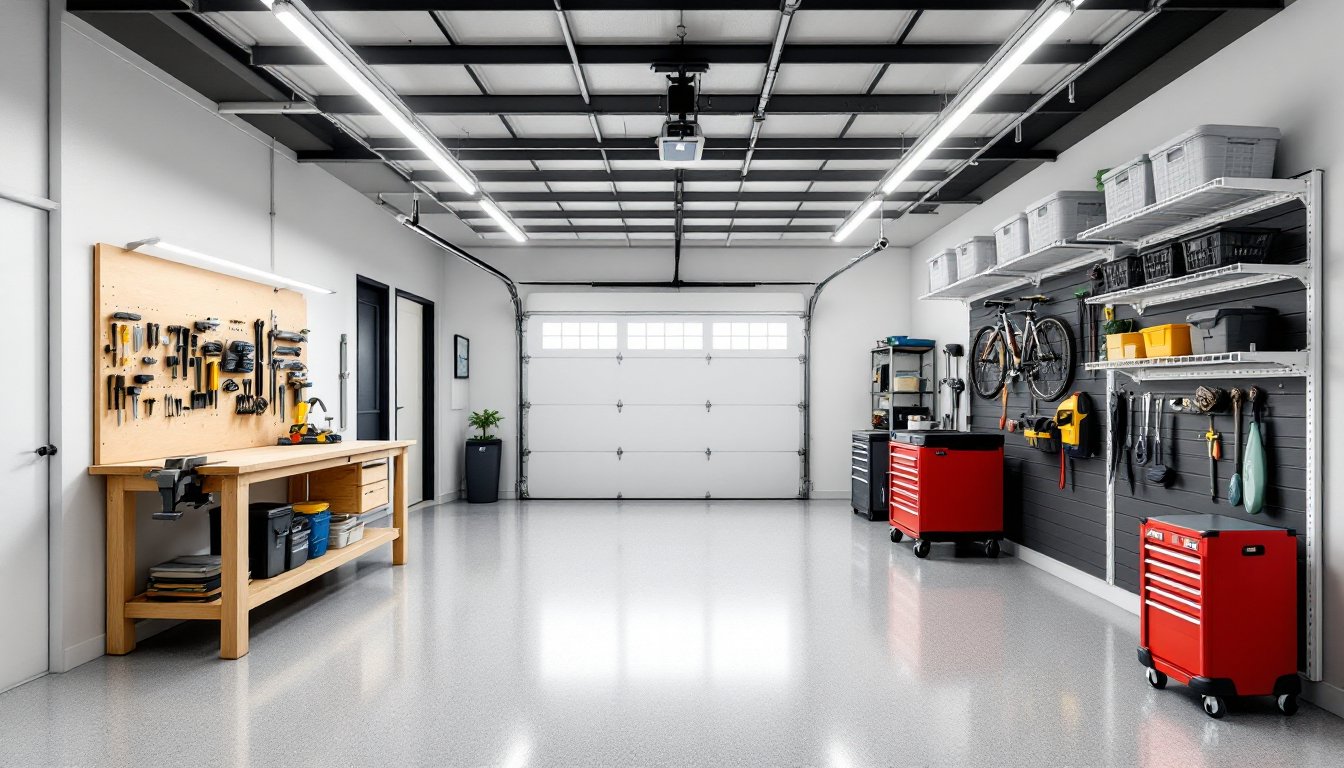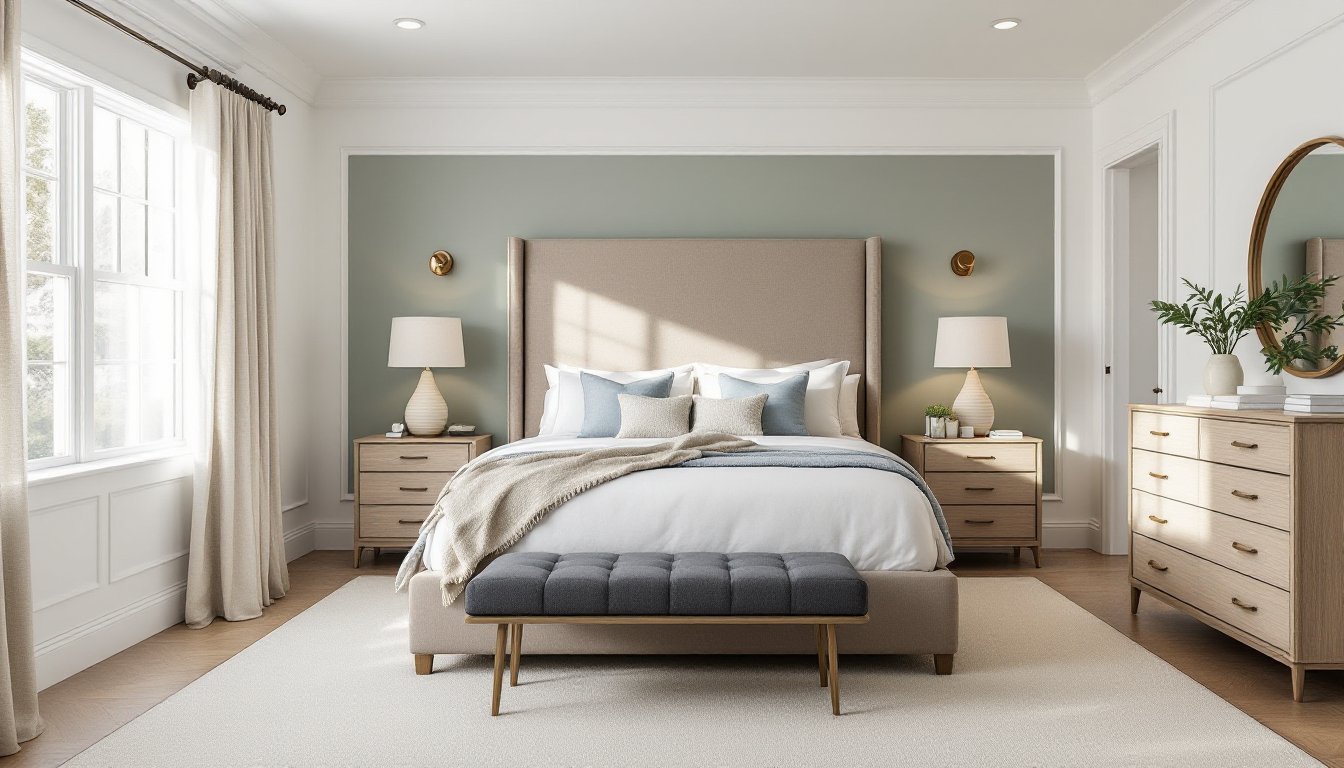

Starting an interior design business isn’t just about having an eye for color palettes or arranging throw pillows, it’s about building a legitimate operation that turns creative vision into paying clients. Whether someone’s been styling friends’ homes for years or just finished design school, launching a business requires more than taste. It demands legal registration, a solid portfolio, strategic pricing, and marketing savvy. The barriers to entry are lower than many trades, no licensing required in most states, but the competition is fierce. Success hinges on treating this like a real business from day one, not a side hustle that might someday pay the bills.
Table of Contents
ToggleKey Takeaways
- Starting an interior design business requires legal registration, a solid portfolio, strategic pricing, and marketing savvy—not just creative talent.
- Build foundational skills through formal education or certificate programs, learn industry-standard software like AutoCAD, and master business skills including contract negotiation and project management.
- Define a specific niche market (such as small-space solutions or Airbnb staging) to sharpen your marketing and stand out from competitors rather than trying to serve every client.
- Set up your business legally as an LLC, obtain an EIN, secure general liability and professional insurance, and invest in a high-quality portfolio website and professional photography to attract clients.
- Price your interior design services transparently using hourly rates, flat fees, or percentage-based models, and package offerings (consultations, virtual design, full-service) to make purchasing easier and prevent scope creep.
- Market your interior design business through Instagram and Pinterest, establish a Google My Business profile for local SEO, leverage networking with contractors and agents, and focus on referrals over paid ads in the early stages.
Build Your Foundation: Skills and Education You Need
Formal education isn’t legally required to call oneself an interior designer in most U.S. states, but it makes a difference. A bachelor’s degree in interior design from a CIDA-accredited program (Council for Interior Design Accreditation) covers space planning, building codes, CAD software, and material science. For those without a degree, certificate programs and online courses can fill gaps, though they won’t carry the same weight with high-end clients.
Core skills include AutoCAD or SketchUp for drafting floor plans, knowledge of the International Residential Code (IRC) for space requirements (egress windows, minimum room dimensions), and familiarity with materials, from the difference between engineered hardwood and solid lumber to fabric durability ratings. Business skills matter just as much: contract negotiation, project management, and client communication can’t be faked. Someone who can render a gorgeous mood board but misses a deadline or blows a budget won’t last.
Consider NCIDQ certification (National Council for Interior Design Qualification) if planning to work in commercial spaces or states that regulate the profession. It requires education, experience, and a rigorous exam, but it’s the gold standard and opens doors to projects that require a certified designer’s stamp.
Create Your Business Plan and Define Your Niche
A business plan doesn’t need to be a 40-page document, but it should answer: who’s the target client, what services are offered, and how will the business make money? Skipping this step is like framing a house without a blueprint, things will wobble.
Defining a niche sharpens marketing and sets someone apart. Options include residential remodels, sustainable design, small-space solutions, historic restorations, or staging for real estate. A designer who tries to be everything to everyone ends up lost in the noise. For example, focusing on rental property staging or Airbnb interiors taps into specific markets with measurable ROI that property owners care about.
Outline startup costs: software subscriptions (Adobe Creative Suite runs about $55/month), sample libraries, a professional camera for portfolio shots, and an LLC filing fee ($50–$500 depending on the state). Project first-year revenue realistically, most new designers won’t land a $50,000 whole-home renovation right out of the gate. Start with smaller projects: single rooms, consultations, or styling services. Track expenses and income from the start: a simple spreadsheet works, but QuickBooks Self-Employed makes tax time easier.
Register Your Business and Handle the Legal Essentials
Choose a business structure: sole proprietorship, LLC, or S-corp. Most new designers pick an LLC for liability protection without the paperwork burden of a corporation. If a client trips over a rug during a site visit or disputes a design choice that leads to a costly fix, an LLC separates personal assets from business risk. Filing costs vary by state, expect $100–$300 for the initial setup.
Register a DBA (Doing Business As) if operating under a name other than a personal name. “Jane Smith Interiors” may not need a DBA if Jane Smith is the owner, but “Luxe Living Design Co.” does. Check the county clerk’s office for local requirements.
Get an EIN (Employer Identification Number) from the IRS, it’s free and takes minutes online. This is essential for opening a business bank account and working with trade vendors who offer designer discounts (often 20–40% off retail on furniture, lighting, and textiles).
Insurance isn’t optional. General liability insurance covers property damage and injuries: professional liability (errors and omissions) protects against claims of negligent design advice. Policies start around $500–$1,000 annually for small operations. Also, grab a solid interior design contract to protect both parties and clarify scope, payment terms, and timelines.
Most interior design work doesn’t require permits, but if the project involves structural changes, removing a load-bearing wall, adding electrical circuits, or altering plumbing, the contractor pulls permits, and the designer coordinates. Know when to bring in a licensed architect or engineer for plans that need a stamp.
Build a Stunning Portfolio That Attracts Clients
A portfolio is the single most important sales tool. No one hires a designer based on a resume, they hire based on visual proof of taste and execution. For someone starting without paid projects, create spec work: redesign a friend’s living room (with permission to photograph), stage a rental property, or even mock up a before-and-after digital rendering using real floor plans.
Invest in quality photography. Smartphone shots can work if natural light is good and the space is styled properly, but a professional photographer (budget $300–$800 for a session) makes work look polished. Capture wide angles to show spatial flow, detail shots of finishes and fixtures, and lifestyle moments, a styled dining table, a cozy reading nook.
Build a portfolio website (Squarespace, Wix, or WordPress with a clean template) that loads fast and works on mobile. Include 8–12 projects with descriptions: the challenge, the solution, materials used, and budget range (if comfortable sharing). Platforms like Houzz also function as portfolio hosts and lead generators, many homeowners browse there first when hunting for designers.
Don’t forget print. High-quality business cards with a QR code linking to the portfolio make a tangible impression at networking events, open houses, and trade shows. Use heavyweight card stock (at least 14pt) and a matte or soft-touch finish for a professional feel.
Set Your Pricing Structure and Service Offerings
Pricing models vary, and many designers use a mix depending on the project. Common structures include:
- Hourly rate: $50–$200+ per hour depending on experience and market. Good for consultations and small projects, but can scare off clients who fear runaway costs.
- Flat fee per room or project: Easier for clients to budget. A single-room redesign might run $1,500–$5,000: a whole-home project could be $10,000–$50,000+.
- Percentage of project cost: Typically 10–20% of total furnishings and construction. Works well for larger renovations but requires transparent accounting.
- Retainer + markup: Charge a monthly or project retainer, then mark up furniture and materials by 20–40%. This is how many designers make their real money, thanks to trade discounts.
Be transparent about what’s included: are site visits unlimited or capped? Does the fee cover sourcing and purchasing, or just design plans? Spell this out in the contract to avoid scope creep.
Package services to make buying easier. Offer a one-hour consultation ($150–$300) for quick advice, a virtual design package (floor plan, mood board, shopping list delivered digitally for $800–$1,500), or full-service design (everything from concept to installation). According to trends on MyDomaine, virtual design services have surged post-pandemic, they’re lower overhead and scalable.
Don’t underprice to win work. Charging $25/hour signals inexperience and attracts clients who’ll nickel-and-dime every decision. Confidence in pricing reflects confidence in value.
Market Your Interior Design Business Effectively
Marketing starts with a clear brand identity: name, logo, color palette, and tone. This should show up consistently across the website, social media, business cards, and proposals. A cohesive brand makes a one-person operation look like a legit firm.
Social media is non-negotiable for designers. Instagram and Pinterest are the primary platforms, post finished projects, behind-the-scenes process shots, before-and-afters, and design tips. Use hashtags strategically (#interiordesign, #homereno, plus local tags like #CharlotteDesigner if targeting a geographic market). Engage with followers, respond to comments, and share user-generated content if clients tag the business. If looking for interior design jobs to build experience before going solo, platforms like Indeed and LinkedIn also help.
Networking beats ads for new designers. Attend local home shows, join the American Society of Interior Designers (ASID) or International Interior Design Association (IIDA) for credibility and connections, and partner with contractors, real estate agents, and architects who can refer clients. Offering a referral fee (10–15% of the project) incentivizes word-of-mouth.
Google My Business is free and crucial for local SEO. Set up a profile with business hours, location (or service area if home-based), and photos. Encourage satisfied clients to leave reviews, social proof is everything.
Consider blogging or video content. A post on “5 Paint Colors That Make Small Rooms Feel Bigger” or a YouTube walkthrough of a recent project can drive organic traffic. Resources like ImproveNet offer cost data that can be cited in educational content to build authority.
Paid ads (Google Ads, Facebook, Instagram) can work once there’s a portfolio and a budget ($300–$1,000/month minimum to see traction), but organic growth and referrals are more sustainable in the early days.
Conclusion
Launching an interior design business isn’t a weekend project, it’s a build-out that takes planning, legal groundwork, and hustle. But for those willing to treat it like a real trade, balancing creativity with business discipline, the opportunity is there. Start small, nail the fundamentals, and scale as skills and reputation grow.