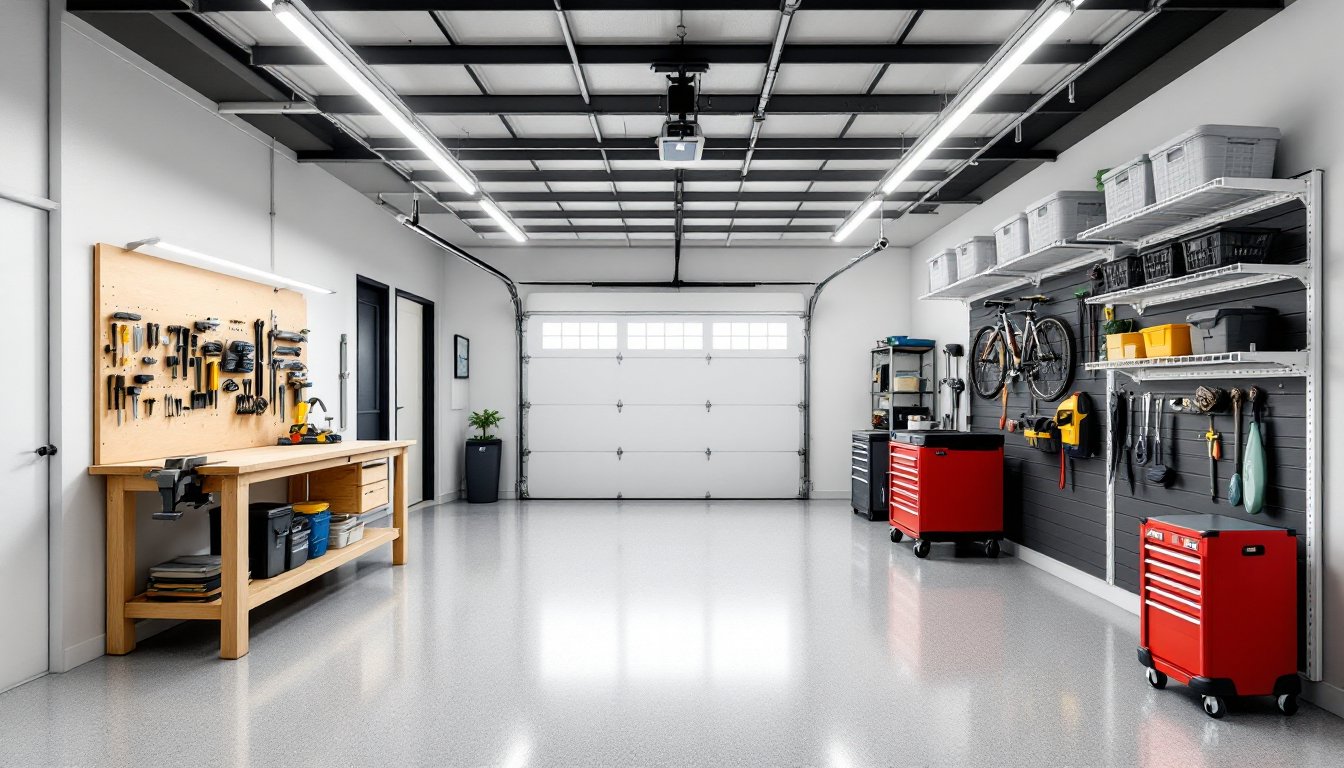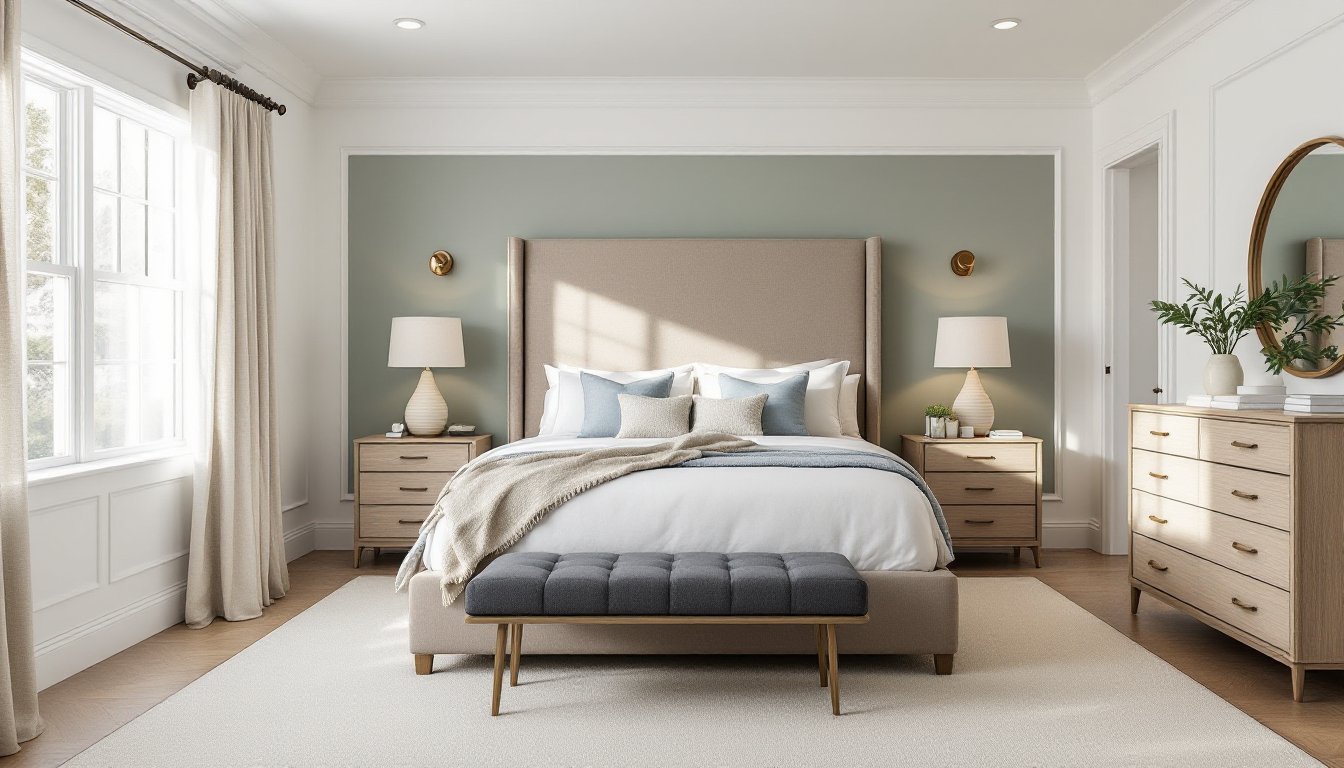

A finish schedule is the silent workhorse of every successful renovation. It’s the document that prevents your contractor from installing chrome fixtures when you specified brushed nickel, or laying 12×24 porcelain tile when you ordered engineered hardwood. Without one, decisions get made on the fly, often incorrectly, and costly do-overs follow. Whether you’re tackling a single bathroom remodel or a whole-house gut job, a finish schedule keeps everyone on the same page: you, your contractor, suppliers, and any design professionals involved. It’s not glamorous, but it’s the difference between a project that flows smoothly and one that limps to the finish line.
Table of Contents
ToggleKey Takeaways
- An interior design finish schedule documents every material, color, and product specification to prevent costly miscommunication and ensure contractors, designers, and suppliers execute your vision accurately.
- A complete finish schedule should cover flooring, wall finishes, trim, cabinetry, countertops, plumbing fixtures, lighting specs, and hardware—with exact manufacturer names, product lines, and color codes instead of vague descriptions.
- Projects with documented finish schedules complete 20–30% faster and avoid budget creep by forcing material decisions during planning rather than under time pressure at showrooms.
- Create your finish schedule by inventorying all rooms, choosing a spreadsheet format, researching exact product specs, cross-checking compatibility, calculating quantities with 10–15% overage, and securing sign-off before ordering.
- Avoid common finish schedule mistakes like vague descriptions, ignoring lead times for custom items, randomly mixing finishes without intent, skipping physical samples, and overlooking transitions between different materials and colors.
What Is an Interior Design Finish Schedule?
An interior design finish schedule is a detailed reference document that lists every material, finish, color, and product specification for each room or area in a renovation or build. Think of it as a master blueprint for aesthetics, where construction drawings show how things get built, the finish schedule shows what they’re built with and how they look.
A typical schedule includes flooring type and color, wall paint or wallpaper specs, ceiling treatments, trim profiles and paint, door styles and hardware finishes, cabinet door styles and stains, countertop materials, tile selections with grout colors, plumbing fixture models and finishes, lighting fixture specs, and any other visible elements like backsplash or wainscoting.
Professional designers use software templates, but homeowners can build effective schedules in Excel, Google Sheets, or even a well-organized notebook. The key is clarity: each entry should be specific enough that someone unfamiliar with your project could order or install the correct product without guessing. For complex projects involving detailed design agreements, finish schedules become legally binding attachments that protect both parties from misunderstandings.
The schedule typically organizes information by room or by finish category. Room-by-room works well for smaller projects: category-based (all flooring, all paint, all fixtures) suits larger builds where bulk ordering matters.
Why Every Home Renovation Needs a Finish Schedule
The finish schedule solves three critical problems: miscommunication, timing, and budget creep.
Miscommunication is the number-one killer of DIY and contractor projects alike. Verbal descriptions fail. “Gray paint” could mean anything from Agreeable Gray to Repose Gray to Gauntlet Gray, three wildly different colors. A finish schedule forces you to record the exact manufacturer, product line, and color code. It eliminates the “I thought you meant…” conversations that cost time and money.
Timing matters because not all finishes arrive on the same schedule. Custom cabinetry might need 8-12 weeks. Stock tile ships in days. If your tile installer shows up and the tile hasn’t been ordered, you’ve just paid someone to stand around or rescheduled at a premium. A finish schedule lets you map lead times and order materials in the correct sequence. According to planning tools on HomeAdvisor, projects with documented material schedules finish 20-30% faster than those winging it.
Budget creep happens when you’re forced to make rushed decisions. Without a schedule, you’ll find yourself in a showroom at 4 p.m. on a Friday, picking something because the installer starts Monday. That’s when a $4/sq ft tile becomes an $11/sq ft impulse buy. A finish schedule built during the planning phase, when you have time to compare prices and hunt for sales, keeps spending in check.
Finally, if you’re pulling permits for structural work, inspectors and code officials may request finish specs to ensure compliance, especially for fire-rated materials, moisture barriers in wet areas, or accessibility standards in commercial-to-residential conversions.
Key Components of a Complete Finish Schedule
A complete finish schedule should cover every visible surface and fixture. Here’s what to include, broken into two major categories.
Flooring and Wall Finishes
Start with flooring. Specify material type (engineered hardwood, luxury vinyl plank, porcelain tile, etc.), manufacturer, product line, color/finish name, plank or tile dimensions, and installation pattern (straight lay, herringbone, diagonal). For tile, note grout type and color, unsanded or sanded, and the exact shade. Don’t assume “matching grout”: specify it.
Include subfloor prep if it impacts the finish: does the underlayment need a moisture barrier? Is the subfloor getting leveling compound? These details affect both cost and timeline.
For walls, document paint brand, product line (e.g., Benjamin Moore Regal Select), sheen (matte, eggshell, satin, semi-gloss), and color name with code. If using wallpaper, note the pattern name, repeat length, and whether it requires special paste or a liner. For accent walls using board-and-batten, shiplap, or tile, include material dimensions, spacing, and finish. Drywall texture (smooth, orange peel, knockdown) also belongs here if it varies by room.
Ceilings often get overlooked. Specify paint or if you’re installing tongue-and-groove planks, beadboard, or coffered details, note profiles and finishes. In kitchens and baths, note any moisture-resistant paint requirements.
Trim and molding need profiles called out: baseboard height and style (colonial, modern flat, etc.), casing width, crown molding profiles if used, and whether they’re paint-grade MDF, stain-grade hardwood, or primed pine. Note paint or stain specs separately from walls. When working on balanced aesthetic choices, trim selections carry significant visual weight.
Cabinetry, Fixtures, and Hardware
For cabinetry, document door style (shaker, flat-panel, raised-panel), material (maple, oak, MDF), finish (paint color and sheen or stain type), and any glaze or distressing. Include drawer box construction if it matters for longevity, dovetail joints and plywood boxes outlast stapled particleboard. Note whether hinges are concealed European-style or exposed, and soft-close mechanisms if included.
Countertops require material type (quartz, granite, butcher block, laminate), brand and color, thickness (typically ¾” or 1¼”), edge profile (straight, beveled, ogee), and backsplash height (4″, full-height, or none). For stone, specify finish: polished, honed, or leathered.
Plumbing fixtures get their own section: faucet models and finishes (chrome, brushed nickel, matte black, oil-rubbed bronze) for kitchen, baths, and utility sinks. Include tub and shower valve trims, showerheads, tub spouts, and any hand-shower components. Specify toilet models if replacing, one-piece vs. two-piece, elongated vs. round bowl, and flush valve type (gravity, pressure-assist). Don’t forget accessories: towel bars, toilet paper holders, robe hooks, all need finish callouts to match faucets.
Lighting fixtures should list each room’s overhead, task, and accent lighting with model numbers or clear descriptions and finish. Include bulb type (LED integrated, Edison-base), color temperature (2700K warm white, 3000K soft white, etc.), and dimmer compatibility. According to resources at Fine Homebuilding, lighting specs increasingly affect energy code compliance in new builds.
Door and cabinet hardware often make or break a design. Specify knob vs. pull, dimensions (center-to-center measurement for pulls), finish, and style. For exterior and interior doors, note hinge finish, lockset style and finish, and deadbolt specs if applicable. Consistency matters: mixing finishes intentionally works, but accidental mismatches look sloppy.
How to Create Your Own Finish Schedule (Step-by-Step)
Building a finish schedule isn’t complicated, but it does require discipline and a bit of legwork.
1. Walk the space and inventory rooms. Make a list of every room and area needing finishes: kitchen, bathrooms, bedrooms, hallways, entryway, laundry, closets, basement, etc. Don’t skip transitional spaces, thresholds and stair landings need finishes too.
2. Choose your format. A spreadsheet works best. Create columns for: Room/Area, Element (floor, wall, ceiling, trim, etc.), Material/Product, Manufacturer, Color/Finish, Specifications (dimensions, sheen, etc.), Supplier, Cost per Unit, Quantity Needed, Total Cost, and Lead Time. If you’re managing a project that requires multiple design disciplines, add columns for responsible party (owner, GC, designer).
3. Research and specify products. This is the time-consuming part. Visit showrooms, order samples, and record exact specs. Don’t write “subway tile”, write “Daltile Restore Bright White 3×6 ceramic, matte finish.” Collect product cut sheets and paint chips, and attach them to your schedule or file them in a binder. For cost estimates, use regional pricing from suppliers: platforms like ImproveNet offer material cost breakdowns by zip code.
4. Cross-check compatibility. Make sure your tile thickness works with your flooring transitions. Verify that your faucet fits your sink’s hole configuration. Confirm shower valve trim matches the valve body (not all brands are interchangeable). If you’re unsure, ask your supplier or installer before finalizing the schedule.
5. Calculate quantities with a 10-15% overage. Flooring, tile, and paint all need extra for waste, cuts, and future repairs. For tile, 10% overage covers cuts and breakage: for paint, buy an extra quart per room for touch-ups. Dye lots change, so having extra from the original batch prevents mismatched repairs years later.
6. Get sign-off. If you’re working with a contractor, designer, or partner, have them review and approve the schedule before ordering anything. This is your chance to catch errors or miscommunications while they’re free to fix.
7. Attach documentation. Staple or digitally attach product spec sheets, paint chips, and inspiration photos to the schedule. Visual references prevent confusion when names are similar or memory fades mid-project.
Common Mistakes to Avoid When Planning Finishes
Even experienced renovators trip over the same handful of finish schedule errors. Here’s what to watch for.
Vague descriptions. “White paint” isn’t a specification. Neither is “wood-look tile” or “modern faucet.” Every entry needs a manufacturer and model or product line. If you can’t reorder it from your notes alone, it’s too vague.
Ignoring lead times. Custom windows, special-order tile, and anything shipped from overseas can take months. Mark long-lead items early in your schedule and order them first, even before demolition if necessary. Standard stock products (most paints, basic trim, commodity fixtures) can wait, but don’t assume everything’s in stock.
Mixing finish types without a plan. Combining metals (chrome and brass) or wood tones (oak and walnut) can work, but it requires intention. Randomly mixing finishes because you found a deal or forgot what you’d already chosen looks unfinished. When considering cohesive visual branding in design, finish consistency plays a key role.
Skipping samples. Paint colors shift under different lighting. Tile looks different on a floor than on a showroom wall. Order samples and view them in your actual space, at different times of day, before committing to 500 sq ft of material. The $20 you spend on samples prevents $2,000 mistakes.
Forgetting about maintenance and durability. Matte black faucets show water spots. Light grout in a mudroom shows dirt. Glossy paint highlights wall imperfections. Choose finishes appropriate for the use and your tolerance for upkeep. Be honest with yourself.
Not accounting for transitions. Where does your tile meet your hardwood? How does the hallway paint color transition into the bedroom? Overlooking thresholds, edge trims, and color breaks creates awkward visual gaps. Plan transitions as deliberately as you plan the finishes themselves.
Finally, don’t lock in finishes before your layout is final. If you’re still moving walls or changing door swings, wait to spec hardware and some fixtures. A finish schedule is a living document during the planning phase, update it as the design evolves, then freeze it before ordering.