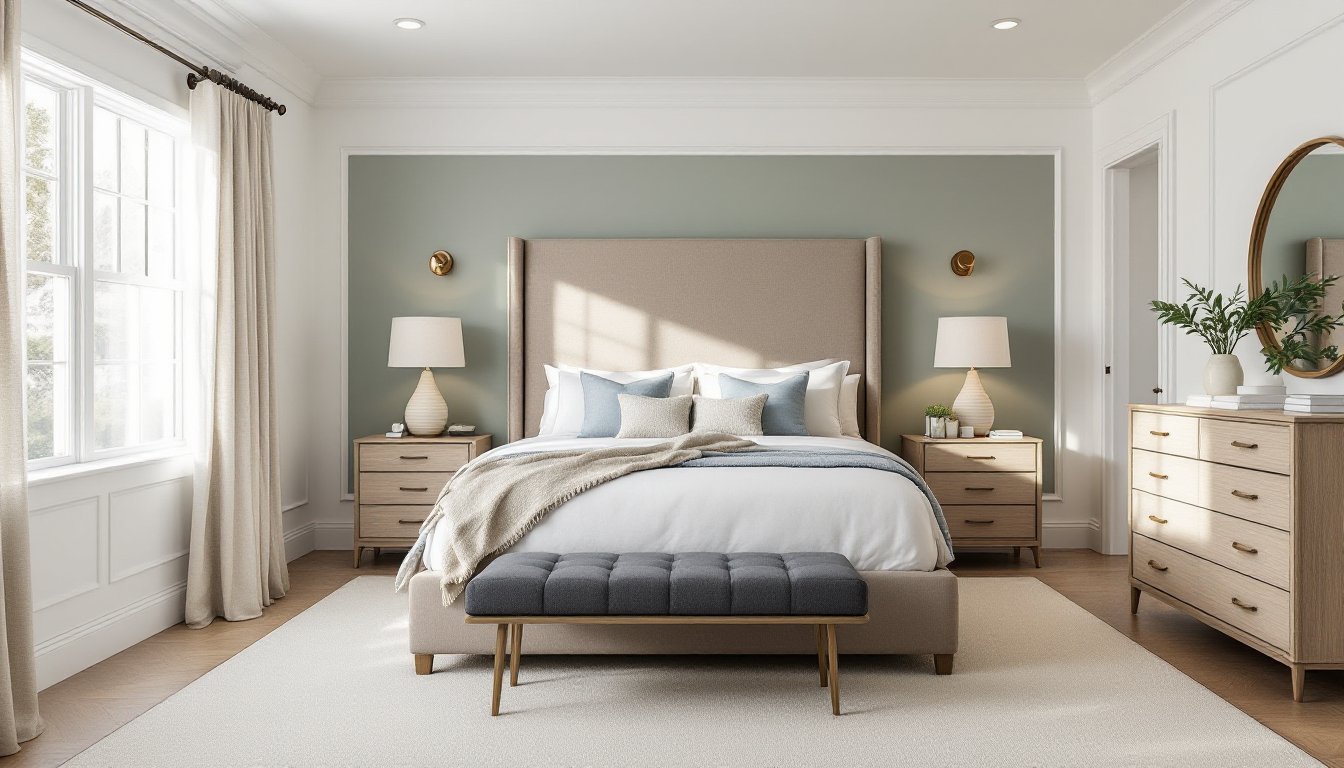
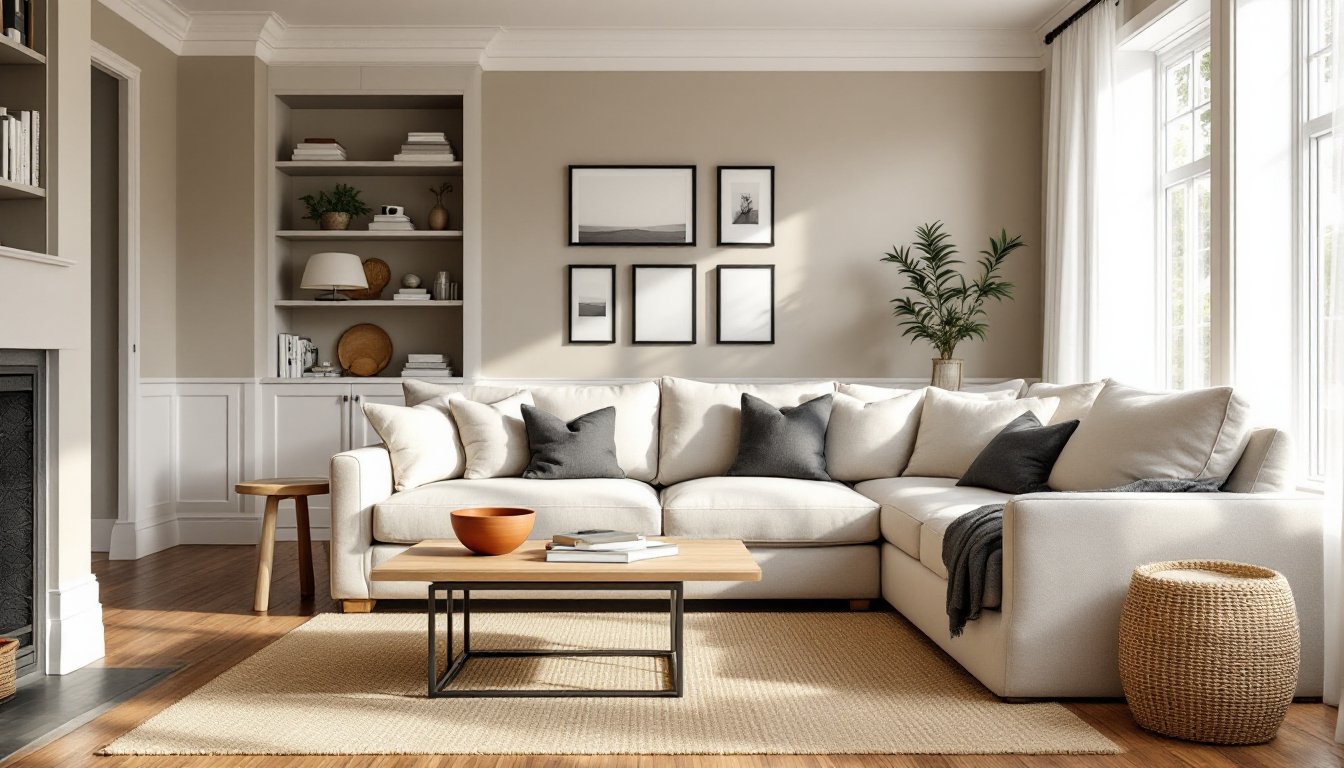
Trends come and go faster than paint dries, but a well-designed room can hold its appeal for decades. Timeless interior design isn’t about ignoring what’s current, it’s about making strategic choices that outlast the next magazine spread. This approach saves money, reduces renovation fatigue, and creates spaces that feel grounded rather than gimmicky. Whether working with a fixer-upper or refreshing a rental, understanding the principles behind enduring design helps homeowners make decisions they won’t regret in three years. The goal is a home that feels collected, intentional, and genuinely comfortable, not a snapshot of a single moment in design history.
Table of Contents
ToggleKey Takeaways
- Timeless interior design relies on restraint, quality, and proportion rather than novelty, using neutral base colors, classic materials, and well-proportioned furniture that can endure for decades.
- Invest in quality over trendy pieces for items with daily use and long-term placement like sofas, dining tables, and bed frames, while saving money on easily replaceable elements like side tables and artwork.
- Use the 80/20 rule—keeping roughly 80% of your room neutral and enduring while reserving 20% for personal style through art, textiles, and accessories that can evolve without requiring major renovation.
- Avoid common mistakes like over-relying on open concept layouts, matching everything in furniture sets, ignoring scale, and using trendy finishes in permanent applications like tile and flooring.
- Timeless interior design includes architectural elements like crown molding, baseboards, wainscoting, and built-ins that add character while transcending decor trends.
- Balance aesthetics with functionality by prioritizing durability, washability, and traffic flow so your home remains both beautiful and livable through changing tastes and life stages.
What Makes Interior Design Timeless?
Timeless design relies on restraint, quality, and proportion rather than novelty. It draws from architectural fundamentals, balance, scale, natural light, that have governed comfortable living for centuries. These spaces avoid heavy reliance on a single decade’s aesthetic, whether that’s mid-century modern or farmhouse chic.
A timeless room typically features:
- Neutral base colors that allow flexibility in accent choices
- Classic materials like hardwood, natural stone, linen, and wool
- Well-proportioned furniture that fits the room’s scale without overwhelming it
- Minimal reliance on pattern trends (chevron, geometric, or overly thematic motifs)
- Functional layouts that prioritize how people actually use the space
The key difference between timeless and trendy is durability, both physical and aesthetic. A solid wood dining table with clean lines works in multiple contexts. A distressed turquoise credenza with rope handles does not. Timeless doesn’t mean boring: it means versatile. Rooms designed this way can absorb new accessories, artwork, or textiles without requiring a full teardown when tastes shift.
The Foundation: Neutral Color Palettes That Endure
Start with a neutral backbone: walls, flooring, and large furniture pieces in colors that won’t date themselves. Think warm whites, soft grays, taupes, and greiges rather than stark whites or colors tied to a specific trend cycle.
Wall colors should complement natural light. North-facing rooms benefit from warmer neutrals (beige, cream) to offset cool daylight. South-facing spaces can handle cooler grays without feeling sterile. Test paint samples on multiple walls and observe them at different times of day before committing. A gallon of quality paint covers roughly 350–400 square feet, but factor in two coats for even coverage.
Flooring is a long-term investment. Wide-plank hardwood in natural oak or walnut tones has endured for good reason, it works with nearly any style and can be refinished multiple times. If budget requires alternatives, luxury vinyl plank (LVP) in wood-grain finishes offers durability at a fraction of the cost, though it can’t be refinished. Avoid overly glossy finishes or heavily distressed looks that scream a particular era.
Neutral doesn’t mean colorless. Layering shades, a linen sofa in oatmeal, wool throw pillows in charcoal, a jute rug, creates depth without relying on bold color statements that may feel outdated quickly. Designers at Homedit frequently emphasize how textural variety within a neutral scheme prevents rooms from reading flat. Reserve saturated color for easily swapped elements: pillows, art, ceramics.
Invest in Quality Over Trendy Pieces
Buy the best you can afford for items that see daily use and aren’t easily replaced. This includes sofas, dining tables, bed frames, and case goods (dressers, bookshelves). Solid wood construction, mortise-and-tenon joinery, and eight-way hand-tied springs in upholstery are markers of longevity.
A solid wood dining table will outlast particle board by decades. Look for hardwoods like oak, maple, or walnut with a finish that can be touched up or refinished. Avoid veneers over MDF for anything expected to handle regular wear, the veneer chips, and there’s no repairing it.
Upholstery should use durable fabrics. Performance linens, wool blends, and tightly woven cottons hold up better than trendy velvets or loosely woven slubs that pill and snag. If a sofa costs less than $800, it’s likely built with stapled joints and foam that will sag within two years. That’s fine for a temporary solution, but not an investment piece.
Conversely, save money on items that are easy to update: side tables, lamps, artwork, and decor accessories. A $40 thrifted lamp with good bones can be spray-painted or rewired. A $2,000 sectional in a fabric you’ll tire of is a costly mistake. This approach mirrors balancing enduring elements with flexibility for personal expression.
Safety note: When refinishing furniture, work in a well-ventilated area and wear a respirator rated for VOCs, especially with oil-based stains or strippers. Nitrile gloves and safety glasses are non-negotiable.
Classic Architectural Elements and Features
Architectural details, molding, trim, built-ins, anchor a room and give it character that transcends decor trends. If the home lacks these, they can often be added without structural work.
Crown molding and baseboards in simple profiles add polish. A 3.5- to 5.5-inch baseboard with a basic ogee or colonial profile works in most homes. Avoid overly ornate or chunky farmhouse-style trim unless it matches the home’s original architecture. Installation requires a miter saw for clean 45-degree corners, a nail gun, and caulk to fill gaps. Paint-grade MDF trim is cost-effective and takes finish well: if staining, use solid wood.
Wainscoting or board-and-batten can be DIY-friendly. For a traditional look, install panels to one-third wall height (typically 32–36 inches). Use 1×4 or 1×6 boards, a level, and construction adhesive plus finishing nails. This detail works in dining rooms, hallways, and bedrooms, lending formality without fussiness.
Built-in shelving around a fireplace or in alcoves maximizes storage and creates a custom look. Frame openings with 2x4s secured to studs, then add plywood or solid wood shelves. Paint built-ins the same color as walls for a seamless effect, or contrast with a deeper tone for emphasis. Concepts from Victorian home design often feature extensive built-ins that unify a room.
Hardware and fixtures matter. Brushed nickel, oil-rubbed bronze, and matte black finishes have staying power. Polished brass is making a return, but use it carefully, it can read trendy if overdone. Stick with simple knobs and pulls: ornate or novelty hardware dates quickly. According to MyDomaine, consistent hardware throughout a home creates visual cohesion that reinforces timeless appeal.
Balancing Timeless Design with Personal Style
Timeless design isn’t a rigid formula, it’s a framework that leaves room for individual taste. The difference is in where and how personality appears.
Use the 80/20 rule: roughly 80% of the room’s volume (walls, flooring, large furniture) should be neutral and enduring, while 20% (art, textiles, accessories, accent furniture) can reflect current preferences or bolder choices. This allows for evolution without starting from scratch every few years.
Art and photography personalize a space without long-term commitment. A gallery wall can be rearranged, and frames are easily swapped. Invest in quality framing, archival mats, UV-protective glass, for pieces that matter. Avoid overly themed or mass-produced prints that feel generic.
Textiles are the easiest layer to change. Swap throw pillows seasonally, rotate rugs, or update curtains without demolition. Stick with natural fibers (linen, cotton, wool) in the base layer, then introduce pattern or color in smaller doses. A bold kilim pillow on a neutral sofa is easy to replace when tastes shift.
Incorporate statement lighting as a focal point. A sculptural pendant or chandelier can lean contemporary or traditional while the rest of the room stays neutral. Light fixtures are relatively simple to change, just be sure to turn off power at the breaker before any wiring work.
Personalization also means respecting the home’s existing architecture. A mid-century ranch doesn’t need ornate Victorian moldings, and a 1920s bungalow doesn’t need industrial pipe shelving. Approaches like transition design help blend historical character with modern function. Work with what’s there, not against it.
Common Mistakes to Avoid When Designing for Longevity
Even well-intentioned projects can veer into trendy territory. Here’s what to watch for:
Over-relying on open concept. Knocking down every wall was the trend of the 2010s, but it’s not always functional. Load-bearing walls require an engineer’s assessment and a permit: removing them involves installing a beam (often an LVL or steel I-beam) to carry the load. Consider whether the space actually benefits from openness or if defined rooms serve the household better.
Matching everything. Furniture sets, bedroom suites, living room collections, can feel dated and impersonal. Mix woods, styles, and eras for a collected look. A vintage dresser works alongside a modern platform bed if finishes and scale are compatible.
Ignoring scale. Oversized sectionals in small rooms or tiny furniture in large spaces throws off proportion. Measure the room and map furniture placement before buying. A standard sofa is 84–96 inches: sectionals easily exceed 120 inches. Leave at least 18 inches of clearance for walkways.
Trendy finishes in permanent applications. Subway tile in a classic 3×6 brick pattern is timeless. Hexagon zellige tile in a bold color is not. Save experimentation for backsplashes or accent walls that can be changed without tearing out a whole shower.
Skimping on prep work. Paint peels, tile cracks, and finishes fail when surfaces aren’t properly prepared. Clean, sand, prime, and allow materials to acclimate (hardwood and LVP need 48–72 hours in the room before installation). Rushed prep shows within months. Techniques rooted in creating visual harmony often involve careful attention to finish details.
Forgetting function. A beautiful room that doesn’t work for daily life won’t last. If the household includes kids, pets, or frequent entertaining, factor in durability, washability, and traffic flow. A white linen sofa in a house with toddlers is a design fantasy, not a functional choice.
Resources like Freshome regularly highlight how prioritizing livability over aesthetics alone leads to longer-lasting satisfaction with a space.
Conclusion
Timeless interior design doesn’t mean freezing a space in one style, it means building a foundation that adapts as life and tastes evolve. Neutral palettes, quality materials, classic architectural details, and restrained choices in permanent elements create rooms that feel grounded rather than gimmicky. Layer in personal style through art, textiles, and accessories that can shift without requiring demolition. The result is a home that feels intentional, functional, and genuinely comfortable, no matter what’s trending on social media.