Living in a condo doesn’t mean sacrificing style or function. With the right design strategies, even the tightest quarters can feel open, organized, and genuinely livable. Whether tackling a 600-square-foot studio or a sprawling two-bedroom unit, the key lies in making every square foot work harder. This guide breaks down practical condo interior design ideas that balance aesthetics with real-world usability, no fluff, just strategies that actually deliver.
Table of Contents
ToggleKey Takeaways
- Multi-functional furniture like Murphy beds, storage ottomans, and extendable dining tables are essential for condo interior design ideas, allowing small spaces to serve multiple purposes without sacrificing comfort.
- Light, monochromatic color palettes and strategic ceiling paint colors visually expand condos, while accent walls on distant or short walls create depth and perceived spaciousness.
- Floor-to-ceiling shelving mounted into studs, over-door organizers, and tall cabinetry maximize vertical storage, turning wasted wall space into functional organization.
- Area rugs, bookcases, and layered lighting define open-plan zones without walls, creating intentional separation while maintaining the openness that makes condos desirable.
- Maximizing natural light through sheer window treatments, mirrors, reflective finishes, and strategic lighting makes spaces feel larger and more inviting.
- Throw pillows, gallery walls, plants, and layered area rugs add personality and warmth to functional condo spaces, completing a design that balances style with real-world livability.
Embrace Multi-Functional Furniture for Small Spaces
Multi-functional furniture isn’t just trendy, it’s essential when floor space comes at a premium. The goal is to find pieces that serve double or triple duty without looking like they belong in a college dorm.
Murphy beds (wall beds) are the gold standard for studio condos. Modern versions fold into cabinetry that doubles as a desk or shelving unit. Look for models with built-in gas pistons for easier operation: cheaper spring mechanisms wear out fast.
Storage ottomans work well in living areas. A 36-inch square ottoman with a hinged lid can hold blankets, magazines, or board games while serving as extra seating or a coffee table. Choose one with a solid wood frame, particleboard won’t hold up under regular use as a seat.
Extendable dining tables are a must for condos with open layouts. A table that seats four daily but expands to eight for dinner parties saves space without limiting hosting options. Drop-leaf and butterfly-leaf designs are most reliable: avoid flimsy folding mechanisms.
Sofa beds have come a long way. Skip the old pull-out couch with a bar-spring mattress. Modern sleeper sofas use memory foam mattresses on sturdy frames. Test the conversion mechanism in-store, it should operate smoothly without requiring two people.
When shopping, measure doorways and hallways first. A sectional that fits the room but won’t clear a 30-inch hallway turn is a common, and expensive, mistake.
Create Visual Depth with Strategic Color Palettes
Color choices directly impact how spacious a condo feels. Light hues reflect more light and push walls outward visually, but that doesn’t mean painting everything builder-grade white.
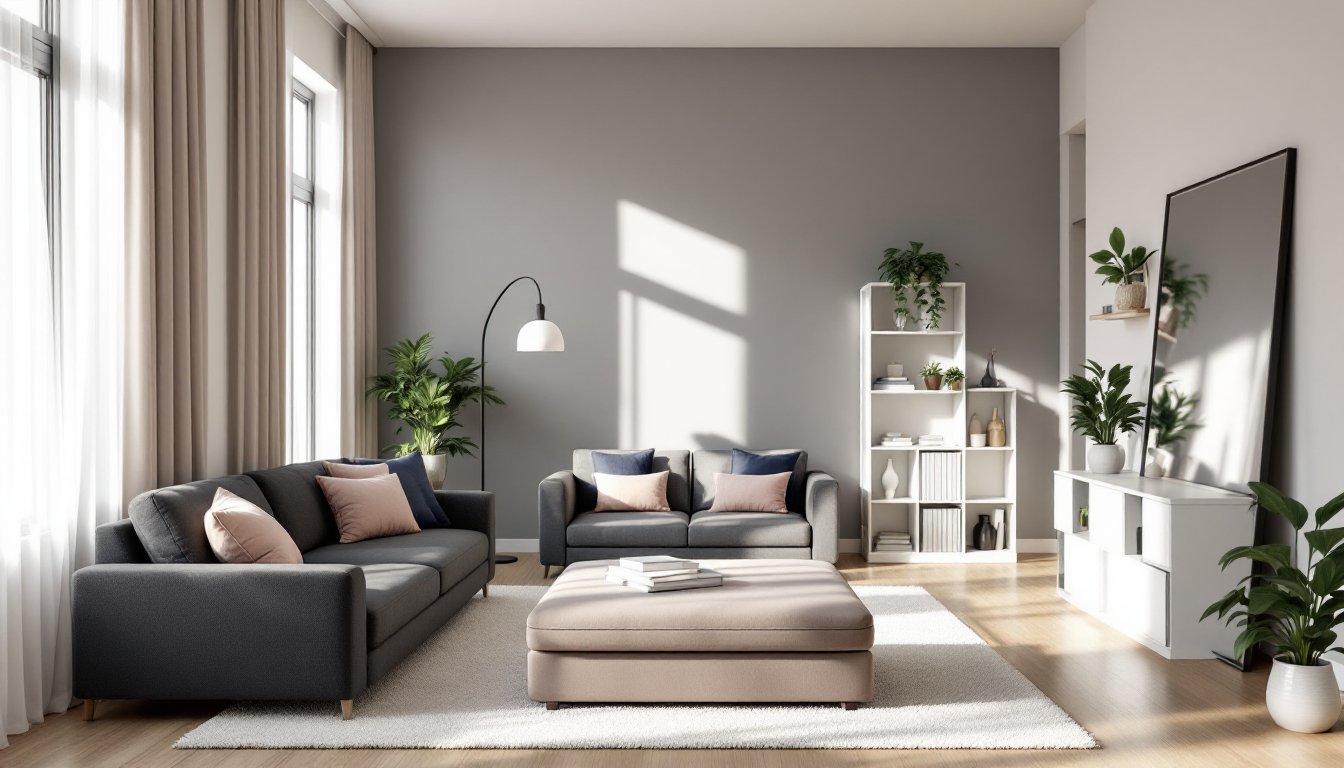
Monochromatic palettes work exceptionally well in condos. Pick a base color, say, warm gray, and layer three to four shades from light to dark across walls, trim, and accents. This creates depth without visual clutter. Using opposing tones and textures adds dimension while maintaining cohesion.
For accent walls, go darker or bolder on the wall farthest from the entry. This draws the eye forward, making the space feel longer. In narrow rooms, paint the short walls a darker shade to visually widen the space.
Ceiling color matters more than most DIYers realize. A ceiling painted one or two shades lighter than the walls appears higher. In condos with standard 8-foot ceilings, this trick adds perceived height without structural work.
Paint sheen affects both light reflection and durability. Use eggshell or satin on walls (easier to clean than flat paint) and semi-gloss on trim and doors. One gallon typically covers 350-400 square feet with one coat, but textured drywall or dark base colors may require two coats.
Test paint samples on multiple walls before committing. Natural light varies throughout the day, and a color that looks perfect at noon might feel too cool at 7 PM.
Maximize Vertical Space with Smart Storage Solutions
When floor space is limited, vertical storage becomes critical. The area between shoulder height and the ceiling is often wasted in condos, fixing that creates usable storage without eating into living space.
Floor-to-ceiling shelving transforms blank walls into functional storage. Use adjustable track systems (like standards and brackets) for flexibility. Mount tracks into wall studs, typical 16-inch on-center spacing, using 2.5-inch screws. Drywall anchors won’t support the weight of loaded shelves long-term.
Floating shelves work in kitchens, bathrooms, and hallways. For shelves holding more than decorative items, use hidden bracket systems rated for the load. A 36-inch shelf supporting dishes needs brackets every 16 inches, mounted to studs.
Over-door organizers add storage without tools. Metal or heavy-duty plastic versions hold shoes, cleaning supplies, or pantry items. Avoid cheap fabric organizers, they sag and wear out quickly.
Tall cabinetry maximizes vertical space in kitchens and bathrooms. Stock cabinets typically come in 30-inch, 36-inch, and 42-inch heights. If ceilings allow, 42-inch uppers provide significantly more storage. Fill the gap above shorter cabinets with a custom soffit box or open shelving.
Closet systems with adjustable rods and shelves make better use of closet height than a single rod and shelf. Double-hang rods (one at 40 inches, one at 80 inches) roughly double hanging capacity for shirts and pants. Design inspiration from apartment-focused resources often highlights creative vertical solutions.
Define Zones in Open-Plan Condo Layouts
Open-plan condos offer flexibility but can feel chaotic without clear zones. Defining spaces visually creates structure without adding walls or losing openness.
Area rugs are the easiest zone markers. A 5×7-foot or 8×10-foot rug anchors a seating area: a smaller runner defines a dining zone. Make sure front furniture legs sit on the rug, floating all furniture off the rug makes the space feel disconnected.
Bookcases and open shelving units act as room dividers without blocking light. A 72-inch-tall bookcase creates separation between living and sleeping areas while providing storage. Anchor tall units to the wall with L-brackets to prevent tipping, especially important in earthquake-prone regions.
Lighting layers define zones functionally. Use pendant lights over dining tables, floor lamps near seating, and task lighting in work areas. Each zone gets its own light source, making the layout feel intentional. Dimmer switches (easy DIY install for those comfortable with basic electrical work, or call a licensed electrician) add flexibility.
Furniture arrangement creates implied boundaries. Position a sofa with its back to the dining area, or angle chairs to face away from the kitchen. This signals zone transitions without physical barriers.
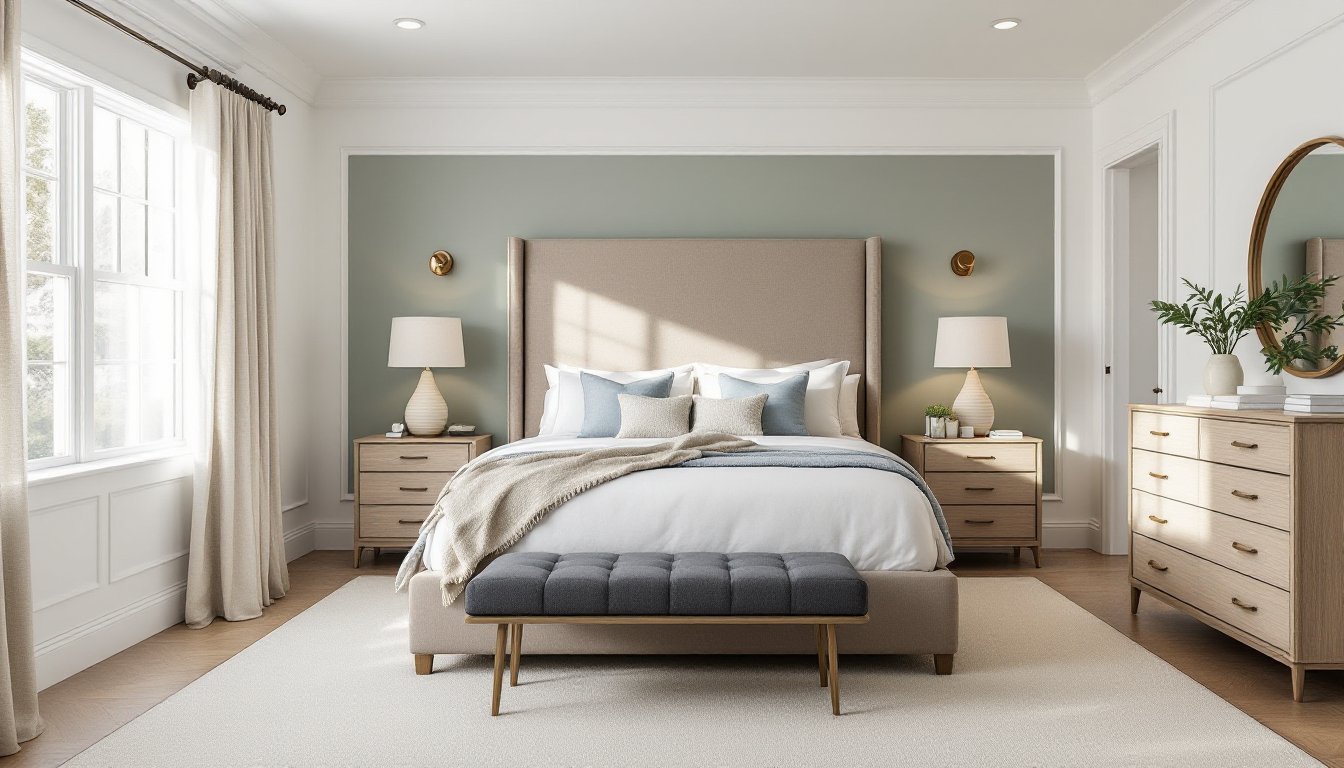
Paint or wallpaper can define zones, too. A bold colorful accent wall behind a bed or sofa creates a focal point that anchors that specific area. Stick to one or two accent zones maximum, more feels busy.
Enhance Natural Light and Brighten Your Condo
Condos often have limited window space or face less-than-ideal orientations. Maximizing available natural light and supplementing strategically makes spaces feel larger and more livable.
Window treatments matter more than most realize. Heavy drapes absorb light: swap them for sheer panels or cellular shades in light colors. Cellular shades provide privacy and insulation (important for exterior walls) while diffusing light evenly.
Mount curtain rods as close to the ceiling as possible and extend them 6-12 inches beyond the window frame on each side. This makes windows appear larger and allows maximum light when curtains are open.
Mirrors are the classic trick for a reason. A large floor mirror (at least 30×60 inches) opposite or adjacent to a window reflects light across the room. Avoid placing mirrors directly across from windows at night, they’ll just reflect darkness back.
Glossy and reflective finishes bounce light around. Semi-gloss paint, glass-front cabinets, and polished metal fixtures all contribute. In kitchens, a glass tile backsplash reflects more light than matte ceramic.
Light-colored flooring brightens spaces from the ground up. If replacing flooring, consider light oak, maple, or pale luxury vinyl plank (LVP). LVP installs easily as a floating floor over existing surfaces in many cases, check manufacturer guidelines and condo building rules first.
Supplemental lighting fills gaps. LED recessed lights (4-inch or 6-inch cans) add ambient light without taking up space. Installation requires cutting into drywall and possibly running new wiring, this is often professional territory unless working with battery-powered puck lights for closets and under-cabinet areas. Resources like Homedit showcase effective lighting schemes for various room types.
Add Personality with Textiles and Accent Pieces
Once the structural and functional elements are in place, textiles and accents inject personality without permanent commitment. These are the layers that make a condo feel like home rather than a staging photo.
Throw pillows and blankets add color and texture cheaply. Mix two to three patterns in complementary colors, one large-scale pattern, one medium, one small or geometric. Odd numbers (three or five pillows) look more natural than even groupings.
Window treatments do double duty as function and style. Linen or cotton curtains soften hard edges and add warmth. Hang them floor-to-ceiling even if windows are standard height, the vertical lines make ceilings appear higher.
Artwork and wall decor personalize spaces. In condos, gallery walls work better than single large pieces, they fill wall space without overwhelming small rooms. Use a mix of frame sizes and styles, but keep mat colors or frame finishes consistent for cohesion.
Hang artwork at eye level, typically 57-60 inches from the floor to the center of the piece. Use picture-hanging hooks rated for the frame weight, and mount into studs for pieces over 20 pounds.
Plants add life and improve air quality. Low-maintenance options like pothos, snake plants, and ZZ plants thrive in typical indoor light. Use wall-mounted planters or hanging varieties to save floor space.
Accent furniture adds character. A vintage side table, a bold accent chair, or a unique floor lamp becomes a focal point. Thrift stores and estate sales are goldmines for one-of-a-kind pieces. The modern aesthetic can blend vintage finds with contemporary basics for an eclectic, layered look. Platforms like Freshome offer design inspiration for incorporating diverse elements.
Textiles underfoot matter, too. Layering a smaller patterned rug over a larger neutral one adds depth and visual interest, just make sure both have non-slip rug pads underneath.
Conclusion
Designing a condo that balances style, storage, and livability doesn’t require a massive budget or contractor-level skills, just thoughtful choices and a willingness to make every element earn its place. Start with multi-functional furniture and smart storage, layer in color and light, define zones clearly, and finish with the textiles and accents that make the space yours. The result is a home that works as hard as it looks good.